
On-Site DOT Physicals
Convenient. Compliant. On Your Schedule.
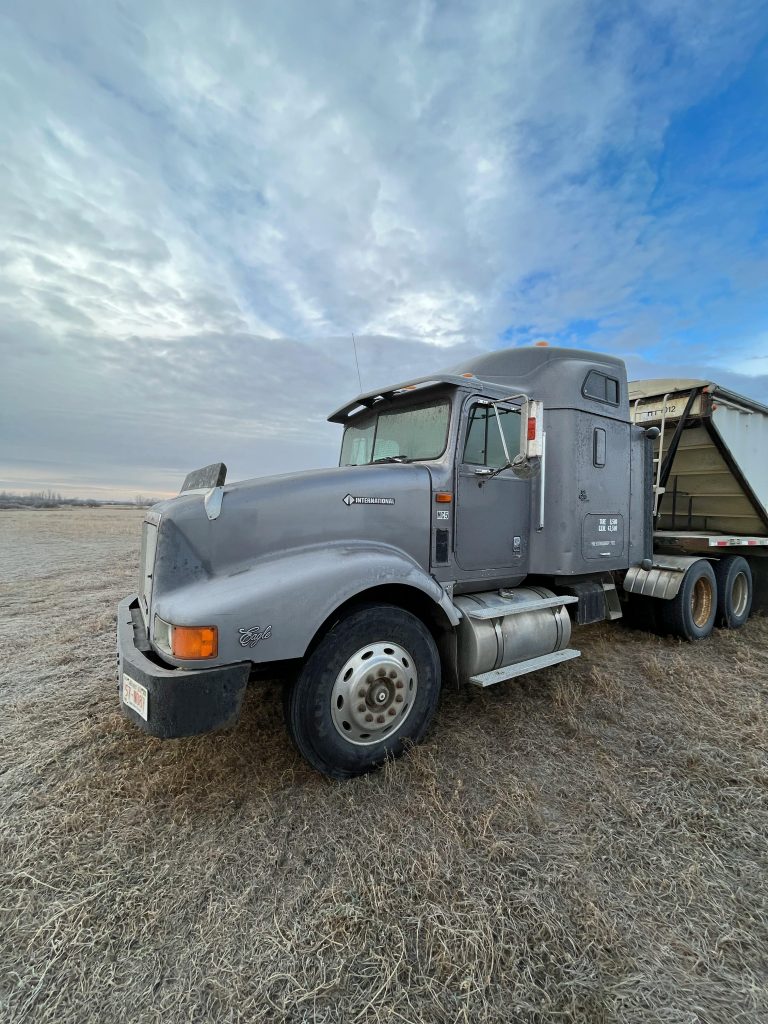
On-Site DOT Physicals
On-Site DOT Physicals was built to make DOT compliance easy and convenient for drivers and employers. We bring certified DOT exams straight to your workplace, fleet yard, or job site so drivers don’t lose time sitting in waiting rooms or missing work.
All exams are performed by a Certified Medical Examiner on the FMCSA National Registry, following federal guidelines while keeping the process smooth and professional.
Serving Central Illinois, we offer flexible scheduling for independent CDL drivers, small businesses, and large fleets. Our goal is simple: keep your team certified and road-ready with as little disruption as possible.
At On-Site DOT Physicals, compliance isn’t complicated — it’s convenient.
Pricing and Services
$120
DOT Physical
CDL / Non-CDL
On-site DOT physical performed at your location and on your schedule, with minimal to no wait time.
$100
School Bus Driver Physical
On-site school bus driver physical performed at your location and on your schedule, with minimal to no wait time.
$100
Pre-Employment Physical
On-site pre-employment physical performed at your location and on your schedule, with minimal to no wait time.
DOT Drug
Testing
Coming Soon
Breath Alcohol Testing
Coming Soon
Consortium Services
Coming Soon
What to Expect
DOT Physical Breakdown
- Medical History
- Urinalysis
- Blood Pressure
- Heart Rate Check
- Vision Test
- Hearing Test
- Physical Exam
On-Site DOT Walkthrough
On the day of your scheduled on-site DOT exams, the Certified Medical Examiner (CME) will arrive at your location and set up all necessary equipment. To complete the urinalysis portion of the exam, access to a restroom facility is required. Each driver will need to complete Section 1 of the Medical Examination Report (Form MCSA-5875) before the CME can begin the physical.
Once the paperwork is completed, the CME will perform the exam in accordance with the standards set by the Federal Motor Carrier Safety Administration (FMCSA). After successfully meeting all requirements, the driver will receive a Medical Examiner’s Certificate (Form MCSA-5876). When all scheduled exams are finished, the provider will pack up the equipment and leave the site, keeping the process efficient and convenient for your team.
Helpful Tips and Information for Drivers
Our goal is to make sure you’re fully prepared and set up for success at your DOT physical. If you have any questions or concerns beforehand, feel free to reach out by text or email. We will gladly provide guidance.
Health History Review
The exam begins with completing the required medical history form, where you’ll list past surgeries, medical conditions, medications, and any history of heart, lung, neurological, or other significant health issues. It’s important to answer each question honestly and thoroughly to avoid delays in certification. A Certified Medical Examiner listed on the FMCSA National Registry will then review your form with you and may ask follow-up questions to clarify any medical history or treatments. The Certified Medical Examiner might also request paperwork from your medical providers before or after your physical to assist in the decision-making process.
Urinalysis
This test is not a drug screening. A urine sample is collected as part of the examination to screen for protein, blood, glucose (sugar), and urine specific gravity. Drink enough water to be properly hydrated. Overhydration and dehydration can affect this test. High glucose levels may lead to further investigation into diabetes. Elevated protein will indicate possible kidney dysfunction. Intense workouts before this test can increase protein levels.
Blood Pressure
A certification maximum of 1 year if blood pressure is controlled, and a one-time minimum of 3 months if uncontrolled. Drivers with blood pressure at or below 140/90 with no history of high blood pressure may qualify for a two-year certification. A history of high blood pressure, but below 140/90 with medication or lifestyle changes, will qualify for a one-year certification. Blood pressure above 140/90 will result in a 3-month certification. At the end of the 3-month certification, the driver must have a blood pressure under 140/90, or they are disqualified. Please take the 3-months to see a medical provider and get your blood pressure under control to avoid this situation. Any blood pressure over 180/110 will disqualify the driver.
Heart Rate
Ideally, resting heart rate should be between 60 and 100 beats per minute. Do not drink any coffee or energy drinks before your visit to avoid an artificially elevated heart rate.
Vision Test
Certification maximum of 24 months with or without glasses and 12 months with the Alternative Visions Standard. If you have glasses or contacts, please bring them to the exam. Drivers must have 20/40 vision in both eyes, distinguish between red, green, and amber colors, and have 70 degrees of peripheral vision. If one eye does not meet the required standard with or without corrective lenses, the driver must visit an optometrist or ophthalmologist within 45 days before the DOT physical. The optometrist or ophthalmologist must complete the Vision Evaluation Form MCSA 5871. This may allow the driver to qualify under the alternative vision standard if one eye meets the standard and they pass the remainder of the physical. If both eyes do not meet the standard, then the driver is disqualified.
Hearing Test
If you have hearing aids, make sure they are worn during the hearing exam. Drivers must be able to hear a forced whisper at a distance of 5 feet or greater in one ear to pass. An alternative test used is Audiometric testing. Audiometric testing results must show hearing loss equal to or less than 40 decibels to pass. Drivers with hearing loss over 40 decibels can still receive a federal hearing exemption as long as they pass the remainder of the DOT physical and apply for the federal hearing exemption.
Physical Exam
The remainder of the exam covers the remainder of the body systems. The examiner will check the skin, eyes, ears, mouth, heart, lungs, abdomen, spine, extremities, reflexes, genito-urinary system, and vascular system. A common finding is a hernia, which does not disqualify the driver unless they are symptomatic and non-reducible. Another common finding may be heart valve dysfunction. This isn’t disqualifying, but it may require further testing.
Medical Conditions
Most conditions need increased monitoring and will have a maximum certification of 1 year. The presence of a certain condition may not necessarily disqualify a driver, particularly if the condition is controlled adequately, is not likely to worsen, or is readily amenable to treatment. Drivers will be required to provide the Medical Examiner with documentation from healthcare providers to show that their condition is stable and controlled. Even if a condition does not disqualify a driver, the Medical Examiner may consider deferring the driver temporarily. Also, the driver should be advised to take the necessary steps to correct the condition as soon as possible, particularly if neglecting the condition could result in a more serious illness that might affect driving.
Sleep Apnea
Certification maximum of 1 year with controlled sleep apnea, and a minimum of 30-days for non-compliance. Non-compliance will result in a 30-day certificate to provide 30 days of compliant C-PAP usage. This is followed by a 60-day certification with compliance and then a 90-day certification with compliance. After 90 days of compliance, the driver can receive a 1-year certificate. Each new certification requires a new DOT physical. If you have sleep apnea and use a C-PAP, download your compliance report and bring it to the physical. The minimum for compliance is 4 hours per night, 70% of nights over the past 90-days. Also, bring a letter from your sleep specialist confirming your condition is managed. Sleep apnea is an important condition to consider during a DOT physical because it can affect a driver’s alertness and safety on the road. Untreated sleep apnea may cause excessive daytime sleepiness, fatigue, and reduced concentration, which can increase the risk of accidents. If sleep apnea is suspected during the exam, the medical examiner may recommend further evaluation or documentation showing the condition is being properly treated before issuing or renewing a DOT medical certificate.
Insulin Treated Diabetes
Certification is a maximum of 12 months for controlled and a minimum of 3 months for uncontrolled. Insulin-treated individuals are required to provide the ITDM Assessment Form, MCSA-5870, to the Certified Medical Examiner within 45 days of completion by the Treating Clinician. Drivers must provide 3 months of blood glucose monitoring data to the Treating Clinician. Drivers can pass if their diabetes is controlled and monitored by their physician. A recent A1C test (within the previous 45 days) should be provided to the examiner to help with the determination.
Non-Insulin Treated Diabetes
Certification is a maximum of 24 months for controlled and a minimum of 3 months for uncontrolled. Diabetics not taking insulin can use the optional Non-Insulin-Treated Diabetes Mellitus Assessment Form, MCSA-5872. Drivers can pass if their diabetes is controlled and monitored by their physician. A recent A1C test (within the previous 45 days) and 3 months of blood glucose monitoring data should be provided to the examiner to help with the determination.
A1C
A normal A1C level is 5.7%, and 6.0% – 6.9% is considered controlled. An A1C of 7% to 8.9% is uncontrolled. An A1C of 9% or above is critically high. Uncontrolled diabetes will result in a 30-day certification. At the end of the 30 days, the drive must show evidence of improvement in controlling diabetes.
Seizure / Epilepsy
Lorem ipsum dolor sit amet, consectetur adipiscing elit. Ut elit tellus, luctus nec ullamcorper mattis, pulvinar dapibus leo.
Medications
Lorem ipsum dolor sit amet, consectetur adipiscing elit. Ut elit tellus, luctus nec ullamcorper mattis, pulvinar dapibus leo.